As Dubai prepares to welcome 2026 with spectacular fireworks at the Burj Khalifa, the Roads and Transport Authority (RTA) has outlined a detailed traffic and transportation plan to help manage the large number of people expected in the city. Around 800,000 people are expected to attend the celebrations in Downtown Dubai.
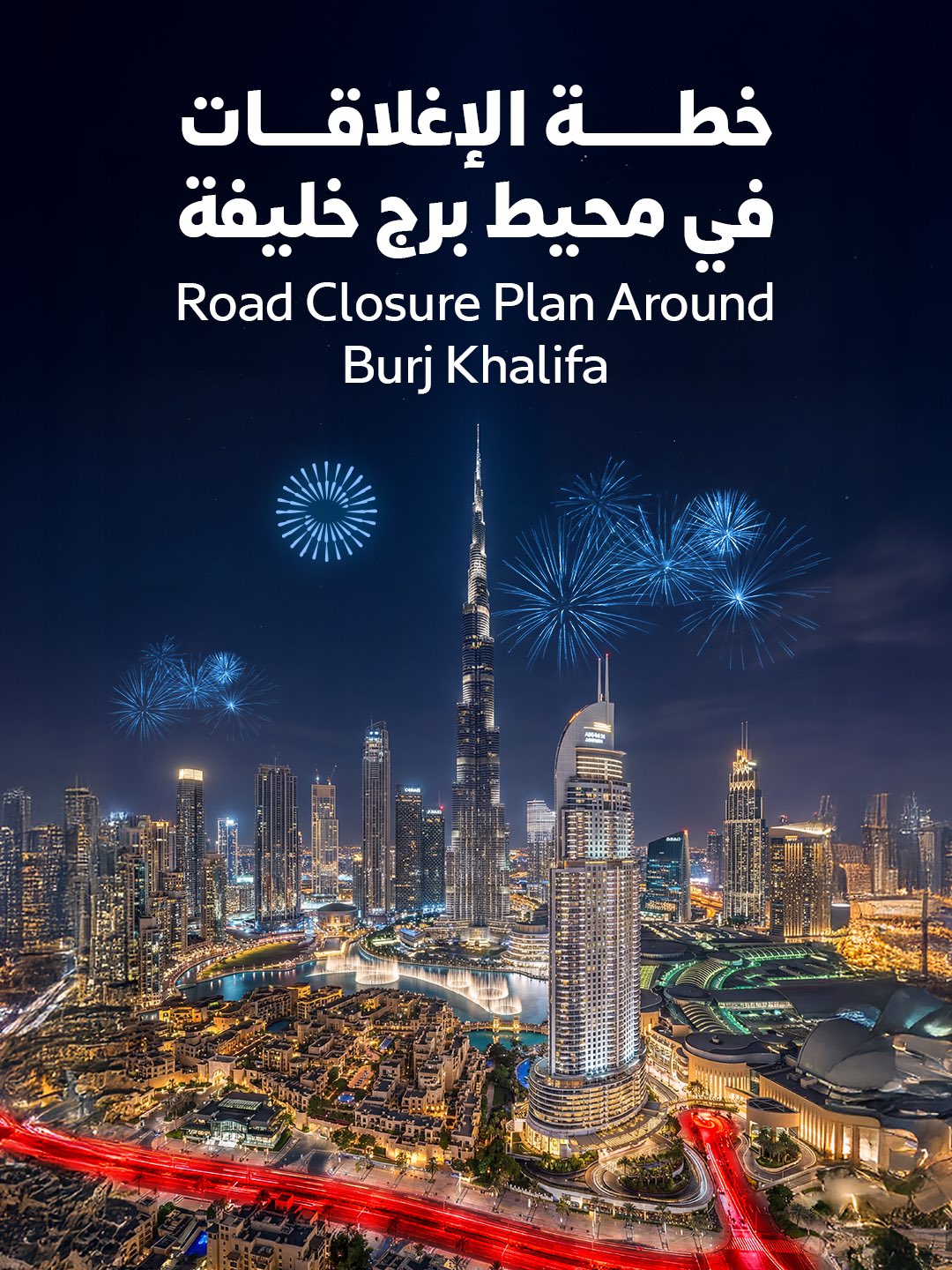
To maintain smooth traffic flow, authorities will implement phased road closures in and around the Burj Khalifa area starting in the afternoon on 31 December.
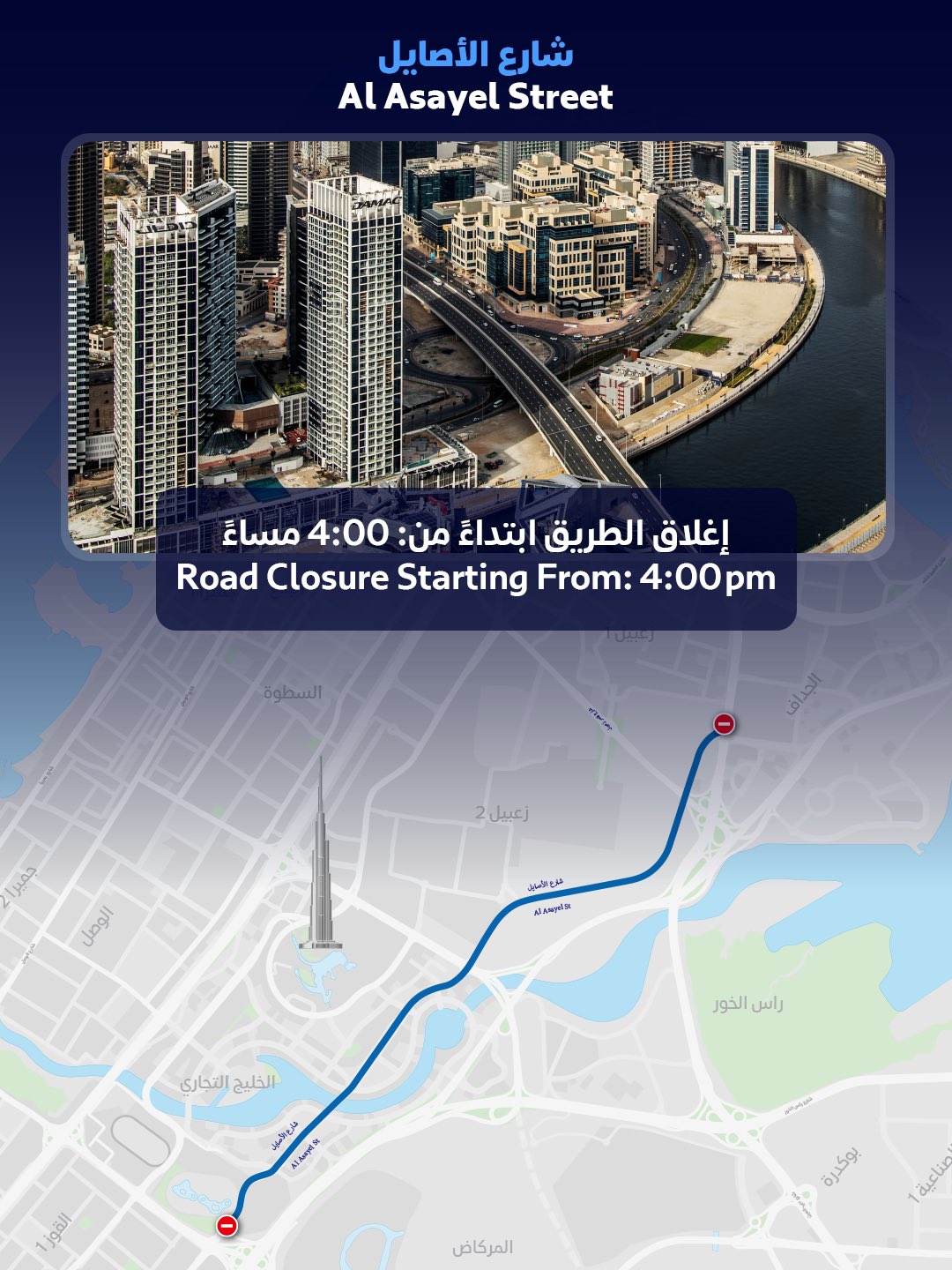
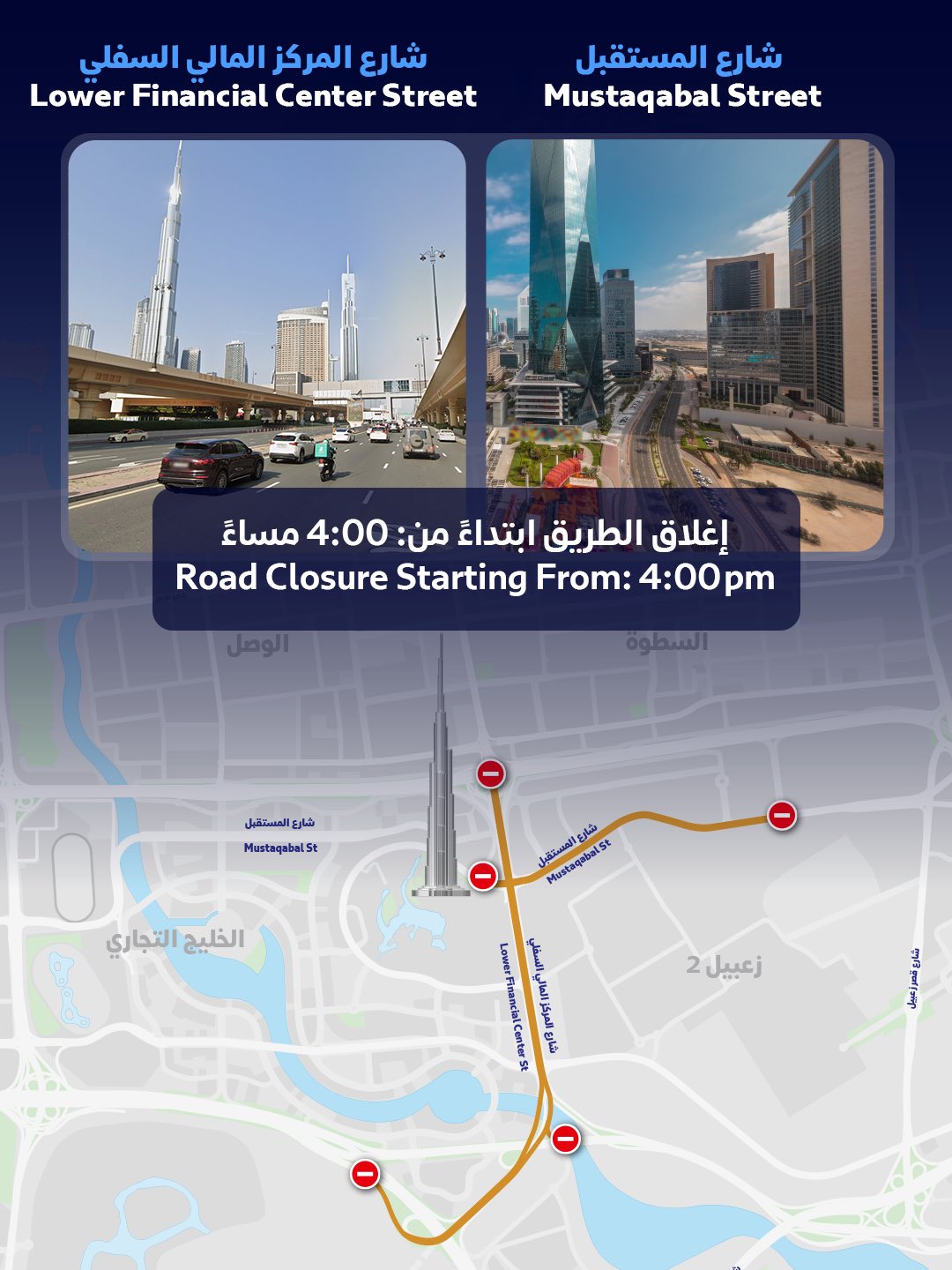
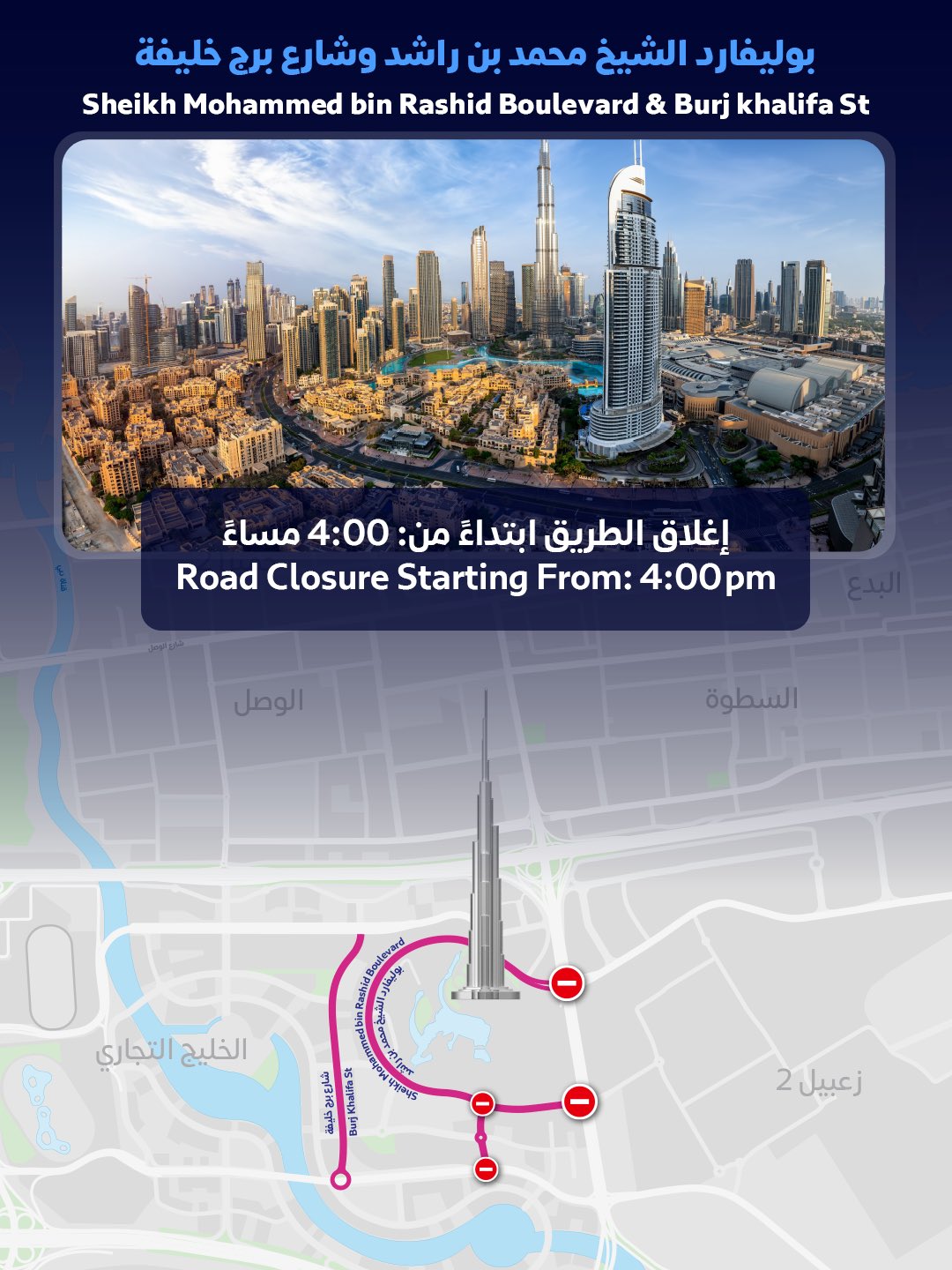
- From 4pm: Roads including Al Asayel Street, Al Mustaqbal Street, Lower Financial Centre Road, Sheikh Mohammed bin Rashid Boulevard, and Burj Khalifa Street will begin to close.
- From 8pm: Al Multaqa (Al Mulook) Street will be closed.
- From 9pm: Upper Financial Centre Road will shut.
- From 11pm: Sheikh Zayed Road will begin a gradual closure between Al Maidaan intersection and Commercial Centre roundabout, marking a critical phase in the traffic management strategy. Motorists are encouraged to plan their routes and use alternative roads to avoid congestion around the celebration zones.
The Dubai Metro will operate for 43 hours throughout the New Year period, with extra trains near celebration sites. Parking will be available in designated locations around the celebration areas, while some main roads nearby will not permit parking to keep traffic moving.
Additional transport support will include free shuttle buses to metro stations and taxi pickup points after the festivities. Updates to public bus services are available through the S’hail app.
Authorities advise everyone to use public transport, check schedules ahead of time, and follow official guidance to ensure a smooth and safe New Year’s Eve experience.
Meanwhile, nearly 10,000 Dubai Police officers will be on duty, supported by 1,625 security patrols, bicycle and mounted units, marine rescue boats, and 37 support tents, along with more than 13,500 private security personnel.
Emergency preparedness includes over 1,750 Civil Defence personnel, 165 response vehicles, 236 ambulances, 12 hospitals and field clinics, and around 1,900 medical staff, working alongside teams from Dubai Municipality and DEWA. Click here to know more.